
OCD Life
Find real support, and a path forward.
OCD Life Hacks
— ✦ —
For Parents At Home and School
At Home
- Seek professional support early and learn effective ways to manage OCD.
- Reduce stress with a consistent routine, hydration, exercise, and calming breathing techniques.
- Create a safe, calming space where your child can reset when overwhelmed.
- Listen, encourage, and remind your child to practice grace with themselves and others.
- Support your child without participating in OCD rituals, and focus on progress rather than perfection.
At School
- Partner with your child’s teacher early and request appropriate accommodations, such as a 504 Plan.
- Encourage your child to share triggers, ask for help, and identify a trusted support person at school.
- Create a plan to manage triggers, including seating preferences and quiet spaces when needed.
- Build consistent routines by arriving on time and following the school schedule.
- Review each school day together to identify triggers, celebrate successes, and plan for tomorrow.
For Kids At Home and School
At Home
- Maintain a healthy routine with hydration, nutritious meals, exercise, and time outdoors.
- Create a calm, electronics-free space to relax and recharge each day.
- Practice deep breathing, gratitude, and focus on what is good.
- Work with trusted professionals, ask for help, and face triggers with support.
- Give yourself grace, show kindness to others, and remember that each day is a new opportunity.
At School
- Focus on your strengths, advocate for yourself, and use the accommodations that help you succeed.
- Know your triggers, create a go-to plan, and use it when symptoms arise.
- Build a support team by talking with trusted teachers and friends.
- Identify a safe place at school where you can regroup when needed.
- Track your OCD symptoms to recognize patterns and better manage triggers.
For Teens At Home and School
At Home
- Maintain a simple routine with healthy meals, hydration, exercise, and time outdoors.
- Plan extra time for your day and create a calm, electronics-free space to recharge.
- Practice deep breathing, gratitude, and focus on what is good.
- Work with a trusted professional, avoid unnecessary triggers, and give yourself grace.
- Do something kind each day and remember that tomorrow is full of possibility.
At School/Work
- Arrive early, follow your schedule, and use the accommodations that support your success.
- Focus on your strengths, advocate for yourself, and remind teachers of your 504 when needed.
- Know your triggers, create a go-to plan, and partner with a trusted friend.
- Identify a safe place and a trusted adult you can turn to when symptoms arise.
- Track your OCD symptoms, stay engaged in class with notes or doodles, and look for patterns.
For Adults At Home and School
At Home
- Focus on what is good, true, and joyful, and practice gratitude every day.
- Support your well-being with healthy meals, hydration, exercise, and time outdoors.
- Create a calm, electronics-free space to relax and recharge each day.
- Practice deep breathing, work through triggers with a trusted professional, and give yourself grace.
- Show appreciation by doing something kind for your biggest supporter each day.
At School/Work
- Play to your strengths, share your life hacks, and be open about your needs.
- Build a support system by partnering with a trusted coworker and using helpful accommodations.
- Create a plan to manage triggers and compulsions throughout your workday.
- Stay engaged by taking notes, journaling your progress, and identifying patterns.
- Stay active, help others, and celebrate your progress along the way.
Navigate The Way
— ✦ —
Discover strategies to help you thrive at home.
Better Relationships
OCD can affect more than routines. It may impact social interactions, time management, and focus, causing others to misunderstand OCD behaviors.
These three simple strategies can help build stronger communication and relationships.
Practice Timeliness: Plan extra time for activities and use a timer to stay on track and reduce stress.
Ask for Support: Share your triggers with trusted friends and family so they can support your progress without reinforcing compulsions.
Listen Actively: Stay present by making eye contact and giving simple feedback to help keep conversations—and your attention—on track.
Education
School can be challenging for students with OCD, but the right support can make all the difference. Early identification, appropriate accommodations, and effective strategies can help students manage stress and succeed.
Know the Way at School provides strategies to help students thrive.
Diet: Eat well, food is fuel
Rest: Offer your mind rest, try to sleep 6-8 hours a day
Exercise: Move, feel, stretch, enjoy
Activity Outdoors: The earth is beautiful
Mindfulness: Focus on your body at the moment and practice gratitude
Find Support Near You
The right support can make a difference. Explore OCD specialists, educational therapists, and tutors available in your area.
Helpful Resources
— ✦ —

4 Myths About OCD That We Are Clearing Up
There are many misconceptions regarding Obsessive Compulsive Disorder (OCD) that...

What is OCD?
OCD is a term that has been thrown around casually in conversation by neurotypical...
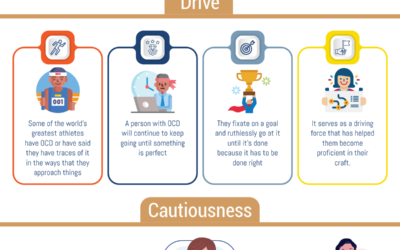
The Benefits of OCD
Obsessive-compulsive disorder (OCD) is a mental illness that causes repeated...