
Dyscalculia Life
Find real support, and a path forward.
Dyscalculia Life Hacks
— ✦ —
For Parents At Home and School
At Home
- Maintain a simple, consistent daily routine.
- Make math fun through games, cooking, and everyday activities.
- Encourage outdoor play, movement, hydration, and rest.
- Use visual tools and dyscalculia-friendly learning apps.
- Begin each day with gratitude and practice G.R.A.C.E.: Give Respect, Admiration, Courtesy, and Empathy.
At School
- Explore IEP or 504 accommodations early and partner with your child’s school and teachers.
- Celebrate your child’s strengths and encourage them to ask for help when needed.
- Use supportive tools such as calculators and other learning accommodations.
- Build consistent homework habits with Khan Academy, YouTube, tutoring, or parent support.
- Allow time to rest and recharge after school before starting homework.
- Encourage kindness and service by helping others at school whenever possible.
For Kids At Home and School
At Home
- Learn visually: See it, say it, write it, and review it.
- Make math fun: Play games, cook, count outside, and explore math apps.
- Take care of yourself: Keep a routine, play outdoors, and make time to rest.
- Use learning tools: Practice with YouTube and other helpful resources.
- Choose gratitude and G.R.A.C.E. Start each day thankful and practice Give Respect, Admiration, Courtesy, and Empathy.
At School
- Use your strengths: Share what you’re good at and ask for help when you need it.
- Use tools that help: Try visuals, manipulatives, accommodations, and memory tricks like stories or acronyms.
- Practice every day: Use Khan Academy, YouTube, or a friend to work through challenging math.
- Take time to recharge: Rest for at least 15 minutes each day without electronics.
- Lead with kindness: Be patient with those helping you and look for ways to help others.
For Teens At Home and School
At Home
- Keep a simple routine with healthy eating, exercise, and daily rest.
- Learn visually: See it, Say it, Write it, Review it.
- Make math fun through cooking, games, and math apps.
- Enjoy the outdoors and stay active whenever possible.
- Begin each day with gratitude and practice G.R.A.C.E.: Give Respect, Admiration, Courtesy, and Empathy.
At School/Work
- Play to your strengths and be open about your neurodiversity—don’t be afraid to ask for help.
- Use accommodations, visuals, manipulatives, and fidgets to support your learning and focus.
- Practice with Khan Academy, YouTube, and study with a friend when you need extra help.
- Create stories, acronyms, or other memory tricks to make math easier to remember.
- Show kindness to those helping you and look for ways to serve others each day.
For Adults At Home and School
At Home
- Keep a healthy routine with nutritious meals, exercise, daily quiet time, and gratitude.
- Learn visually: See it, Say it, Write it, Review it.
- Practice math through cooking, math apps, card games, and other everyday activities.
- Use helpful resources like YouTube and Khan Academy to build your skills.
- Begin each day with gratitude and practice G.R.A.C.E.: Give Respect, Admiration, Courtesy, and Empathy.
At School/Work
- Play to your strengths, be open about your neurodiversity, and ask for help when needed.
- Use the tools that support you, including accommodations, calculators, visuals, manipulatives, and fidgets.
- Create memory tricks, such as stories or acronyms, to make math easier to remember.
- Work with a trusted co-worker when math tasks become challenging.
- Be kind to yourself and others by showing patience, offering help, and giving yourself grace.
Navigate The Way
— ✦ —
Discover strategies to help you thrive at home.
Better Relationships
Dyscalculia affects more than math. It can also make it difficult to process spoken information, follow conversations, and remember numerical information.
These three strategies can strengthen communication and relationships.
Pass: It’s okay to take a break. Use a timeout or choose to pass on a response in a difficult conversation or an activity when you need to reset.
Awareness: Share your challenges with people who support you. Dyscalculia is invisible, so gentle reminders can help others better understand.
Less is More: Ask family and friends to use fewer words when sharing information. Simpler communication can make processing easier.
Education
School can be challenging for individuals with dyscalculia, but the right support can make all the difference.
Know the Way at School provides strategies to help students thrive.
Diet: Eat well, food is fuel
Rest: Offer your mind rest, try to sleep 6-8 hours a day
Exercise: Move, feel, stretch, enjoy
Activity Outdoors: The earth is beautiful
Mindfulness: Focus on your body at the moment and practice gratitude
Find Support Near You
The right support can make a difference. Explore dyscalculia specialists, educational therapists, and tutors available in your area.
Helpful Resources
— ✦ —
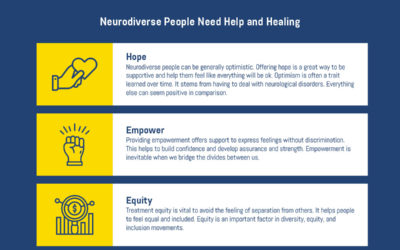
Healing Neurodiversity-Related Trauma
B.R.I.D.G.E. – Emerge ND Confidently Trauma is the emotional response to a distressing event. This...
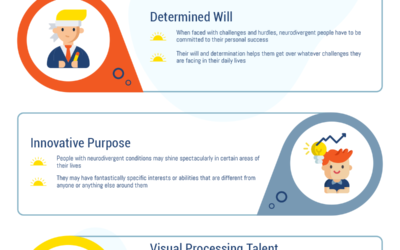
The Advantage of Neurodiversity
Having a neurodivergent perspective and experience can offer a lot of real-world benefits. See...